
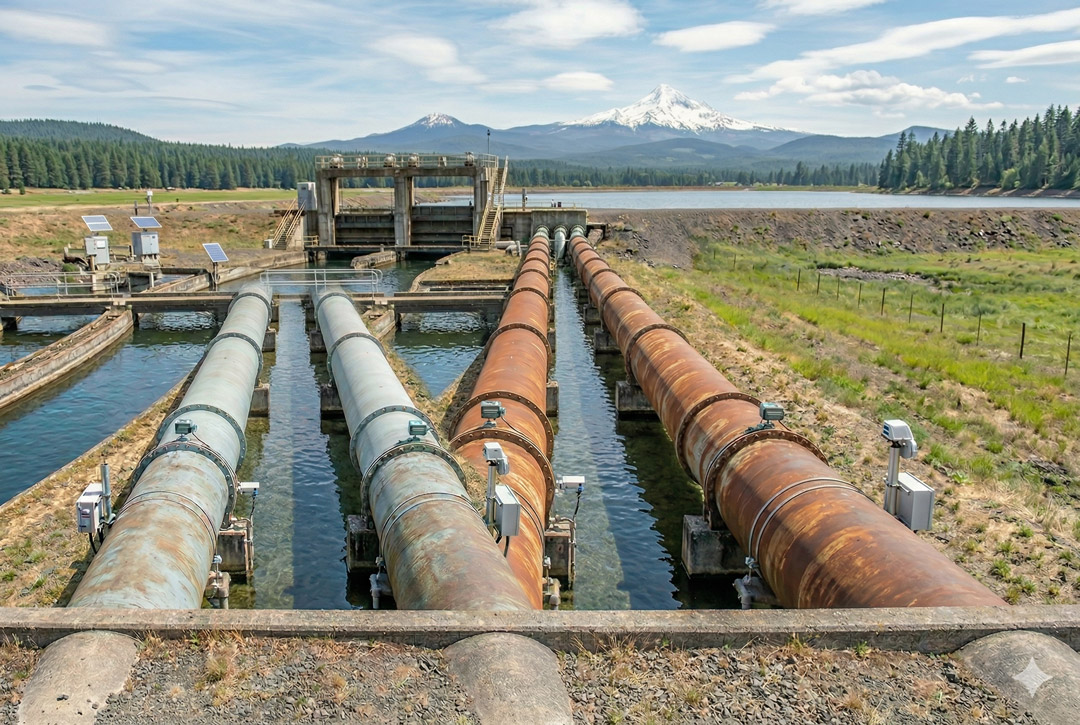
Why Public and Quasi-Municipal Systems Need a Different Water-Right Strategy
Public utilities, irrigation districts, and quasi-municipal entities manage water at a different scale than individual landowners. Their work often involves long planning horizons, changing demand, aging infrastructure, and overlapping regulatory obligations. In Oregon, Water Management and Conservation Plans are designed to help municipal and agricultural suppliers describe their systems, identify water sources, evaluate future needs, and implement management and conservation measures that support sustainable use. For districts and other suppliers, this planning process also functions as a working water budget for current and future demand.
Why Transfers and District Tools Matter More Than Ever
For many public and district systems, the central legal issue is not acquiring an entirely new right. It is adapting existing rights to fit current operations. In Oregon, a transfer is required to change a point of diversion, point of appropriation, place of use, type of use, or combinations of those elements. Irrigation districts and certain other qualifying districts may also use streamlined district-transfer tools to permanently change place of use within district boundaries or make certain temporary changes for a single season. Those district-specific pathways can be especially important where infrastructure, delivery patterns, or patron demand have changed over time.
Where Public Entities Often Need Specialized Support
Public and quasi-municipal systems usually need more than a single filing. They often need coordinated planning that ties together source reliability, internal growth assumptions, conservation planning, mapping, district approvals, and measurement requirements. Oregon’s municipal planning framework focuses on how suppliers will manage and conserve supplies to meet future needs, while the agricultural planning framework asks suppliers to evaluate supply, demand, and conservation tools as part of long-range system management. That makes these clients a strong fit for work that combines planning, transfers, reporting, and water-right strategy rather than treating each item in isolation.
A Practical Message for This Client Segment
For public suppliers, the value is clarity and coordination. A city, district, or quasi-municipal provider may already hold usable rights, but still face project delays if records, place-of-use mapping, diversion points, or operating assumptions no longer match the system on the ground. Framing services around planning, transfers, and system alignment speaks directly to that problem. It also reflects how Oregon’s own water-management programs are structured, with a strong emphasis on source identification, future demand, conservation, and documented system management.