Why Wildfire and Flood Matter for Water Planning
In Oregon, wildfire and flood are not just emergency-management issues. They are recognized natural hazards in state planning. Statewide Planning Goal 7 requires local governments to address natural hazards, and Oregon identifies floods and wildfires among the major hazards communities must plan for. That broader planning framework matters because water systems, wells, and diversions are often directly affected when these events occur.
What wildfire can do to wells and water systems
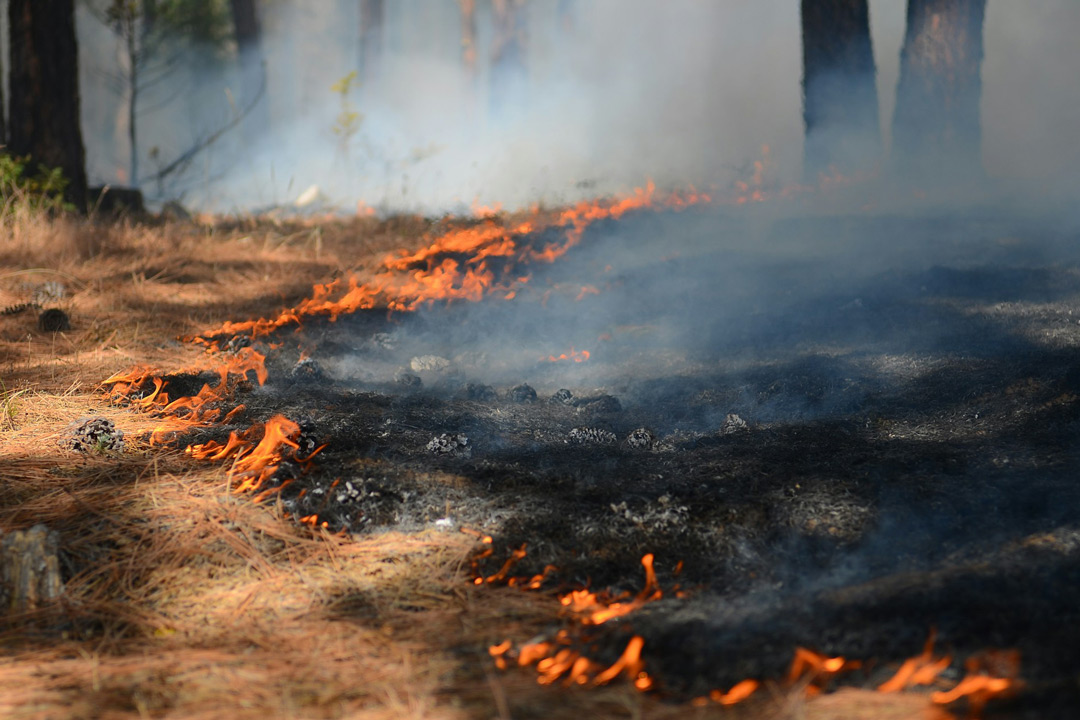
Wildfire can damage water infrastructure through loss of power, damaged treatment or distribution components, and direct impacts to structures and equipment. Oregon also maintains domestic-well emergency resources specifically for wildfire-impacted well owners, and the state’s well assistance programs include wildfire-related well damage among the circumstances that may qualify for help in some cases.
Why flooding creates different risks
Flooding raises a different set of concerns. Oregon’s domestic well emergency guidance includes flooding as a specific category because floodwater can affect well safety and water quality. For private wells and small systems, the issue is not just whether water is physically available after a flood, but whether the source remains safe to use and whether system components were damaged or contaminated.
What practical preparation looks like
State guidance for emergencies emphasizes preparation before an event, not just response afterward. For water systems, that includes emergency planning, clear reporting pathways, and knowing how to contact Oregon Drinking Water Services during a wildfire, flood, or other water emergency. For private owners, practical preparation means protecting the wellhead, documenting equipment and controls, identifying backup supply or power options, and knowing what post-disaster testing or inspection may be needed before returning a system to use.
Why recovery can become a longer-term water issue
After wildfire or flood, the first concern is usually whether the system still works. But disaster recovery can also become a longer-term water planning issue if wells are damaged, water quality changes, or infrastructure repairs alter how the source is used. In Oregon, natural-disaster readiness increasingly includes water-source readiness, because the condition of the source and delivery system often determines how quickly a property or operation can recover.